Preparation & Storage Basics
Matcha Preparation: Use ~2g matcha powder, add 70-80ml water at 70-80°C, and whisk vigorously in zigzag motion until frothy. Soft water enhances the tea's natural sweetness. How should I store...
Professional tea masters evaluate matcha by combining the following sensory indicators. Color tone: Vibrant green without dullness is highly rated. Those with strong yellowish tints receive lower ratings. Aroma: Those...
Grade labels such as "ceremonial grade" and "culinary grade" are not internationally standardized specifications, but rather classifications based on each brand's or seller's own criteria. Just because a label says...
The main factors that create matcha's deliciousness are the method of fertilization, the method of shading, and the proper timing of tea picking. These are closely related to the production...
High-quality matcha has a vibrant deep green color, which indicates that the tea leaves were grown in the shade. Those with a yellowish tint or dullness tend to have lower...
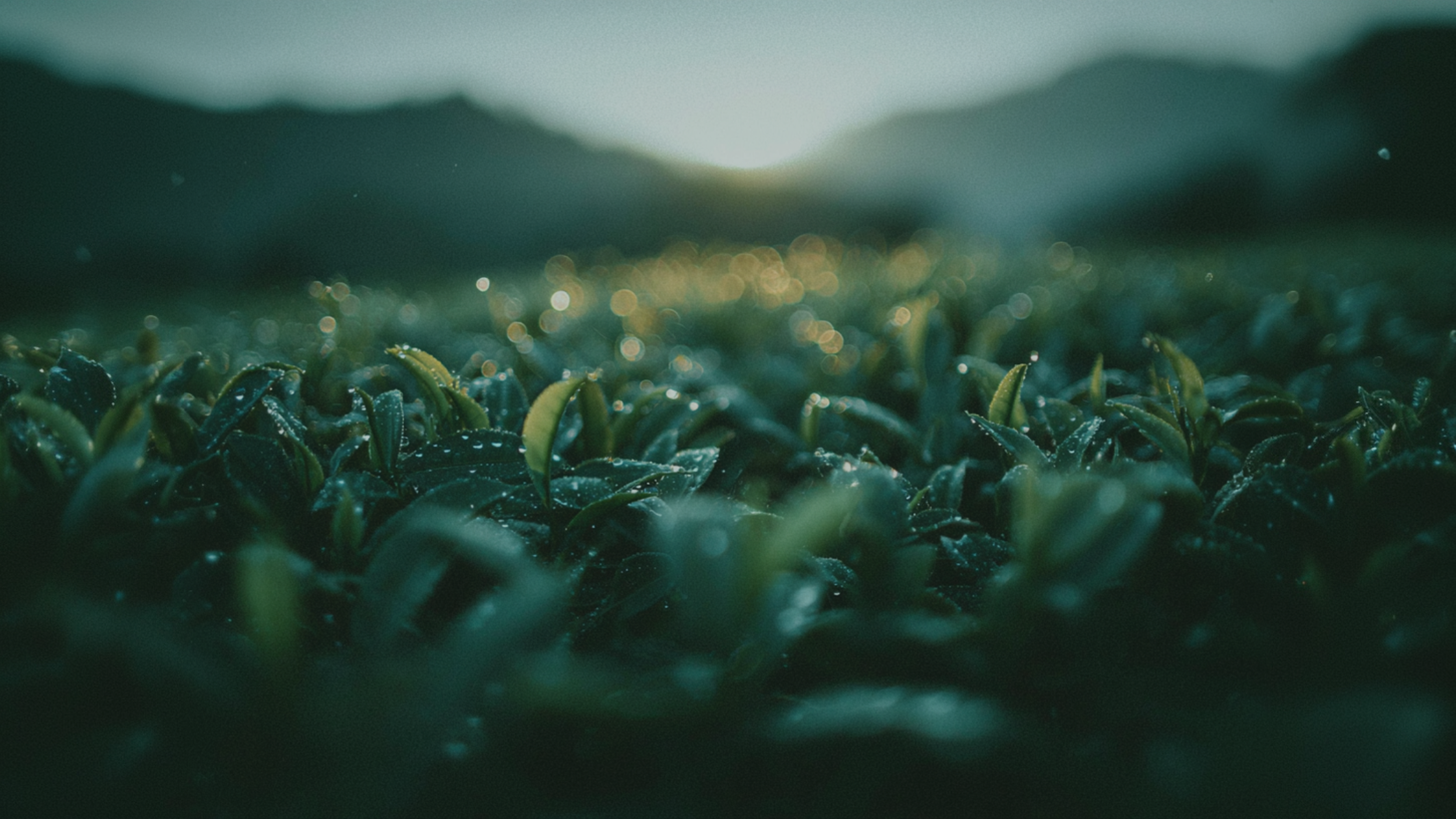
Leaves for matcha are grown using a method called ooi-shita saibai (shaded cultivation), where sunlight is blocked before harvesting, increasing chlorophyll and amino acids (umami components), resulting in a vibrant...
Matcha is a green tea made by grinding tencha (tea leaves that have been steamed and dried without rolling) into a powder using a stone mill or similar equipment. It...